What Closes in Crete in Winter, and What I'd Actually Go For
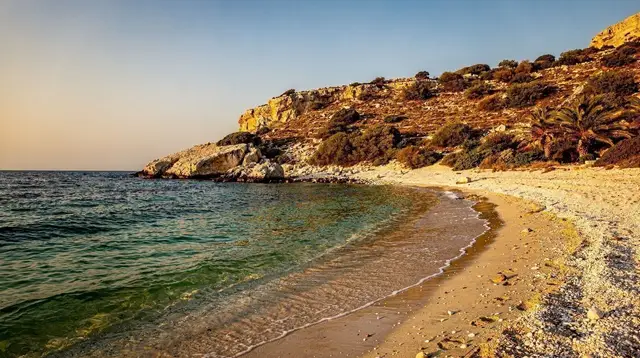
I went in early December, on a whim, because a flight was cheap and I wanted to see what was left of the island once everyone else had gone home. I’d been to Crete twice before, both times in July, both times moving between a beach towel and a gorge trailhead. December was a different island, and I want to be honest about what it actually offers, because most of what gets written about “winter in Crete” quietly assumes you’ll still find a boat to Balos or a working taverna on a Libyan Sea beach. You won’t.
A December in Chania taught me what winter actually means here
My first afternoon, I walked the length of the Venetian harbour in Chania in a light jacket, past half the waterfront restaurants shuttered for the season and the other half doing steady business with locals rather than tour groups. That’s the honest split. Crete in winter is not a diminished version of the summer island; it’s a different island, and it only works if you stop expecting the summer one to show up.
What actually shuts down
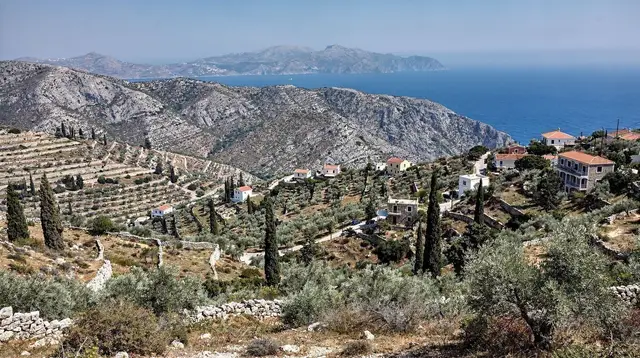
South of the mountains, the season simply ends. Villages along the south coast around Loutro and Chora Sfakion run on a handful of year-round residents once the last ferries of October stop. The Samaria gorge closes outright, usually from the end of October, and there is no version of the walk available until the park reopens with the spring meltwater. Resort strips like Hersonissos, Malia and Stalida go quiet, hotel by hotel. Boat trips to Balos, Imeri Gramvousa, Chrissi and Dia depend on demand and calm seas that winter rarely gives; a handful of operators still run in April and October, almost none in January.
If your idea of Crete is a boat to a lagoon or a day hiking down to a village with no road, winter is not your season. I’d rather say that plainly than let anyone book a December trip around it.
What never closes
What surprised me, and what I think gets buried under all the “off-season” hedging, is how much of the island simply doesn’t care what month it is. The old towns of Chania, Rethymno and Heraklion run all year: narrow lanes, Venetian and Ottoman buildings, harbours, markets, and enough tavernas that I never once struggled to find dinner.
Knossos stays open on its normal winter schedule, and I had entire courtyards to myself that would be shoulder to shoulder in July — worth remembering that what you see there are reconstructions and replica frescoes, with the originals in the Heraklion Archaeological Museum, also open year-round and, frankly, the better use of a cold morning.
Working monasteries keep their doors open too. Arkadi, with its 1866 history and its dress code of covered shoulders and knees, was near-empty on the Tuesday I visited, which suited the place. History sites in general do well out of winter: the German and Commonwealth war cemeteries connected to the Battle of Crete and the island’s wartime resistance are outdoor, low-crowd, and unaffected by season in any way that matters.
The old towns are the real season
If I had to describe what a winter trip to Crete is actually for, it’s this: three walkable old towns, their museums, their churches and monasteries, and their tavernas, strung along the north coast on a road that stays open and served by buses that keep running. A walk through Chania’s old town or Rethymno’s old town in December has a rhythm summer never allows — you can actually stop in a doorway to look at a lintel without being swept along by a crowd. I spent one whole grey afternoon in Rethymno doing nothing but moving between covered arcades and small churches, and it remains one of my better days on the island, no beach involved.
Heraklion, which visitors often treat as an airport with a museum attached, rewards a proper city walk in winter: the Venetian walls where Nikos Kazantzakis is buried, the fortress harbour, and streets that, without cruise-ship crowds, read as a genuinely lived-in Greek city rather than a stopover.
What I’d book instead of a beach day
I’d trade the boat trips for the island’s other kind of depth. A guided look at the Battle of Crete sites works especially well off-season, when the landscape isn’t competing with heat and crowds for your attention — I’d point a first-timer toward the two-day Battle of Crete tour from Chania, which covers Maleme and the wider 1941 story properly rather than as a single afternoon stop.
For a tighter, single-day version there’s also a half-day WWII historical tour through the battle sites, which suited the shorter daylight I had in December. And since the coast is calm and the tavernas are quiet, a mid-week wine and olive oil tasting through the historic wine villages near Archanes and Peza turned into the most relaxed few hours of the whole trip.
Practical notes for a winter trip
Crete is on Eastern European Time, one hour ahead of most of Western Europe, and daylight in December runs out well before 6pm, so I planned museum and monastery visits for the morning and left tavernas for the dark hours, which is when they’re busiest anyway. A rental car is still the most practical way to move between the three towns; the KTEL coach network along the north coast genuinely works if you’d rather not drive.
I’d build a trip around four or five days between Chania, Rethymno and Heraklion — this four-day winter itinerary is close to what I actually did — rather than trying to force in a coastal stretch that will mostly be closed anyway. For a sense of just how quiet the island gets once the season turns, this piece on why Crete empties out in November matches what I saw, and if you want the mountains in the picture, snow on Psiloritis and the White Mountains is visible from the coast on a clear winter day, which was, unexpectedly, one of my favourite sights of the whole trip.
Winter in Crete: the questions I get asked
Is Crete worth visiting in winter?
Yes, but only if you go for the right reasons. The old towns of Chania, Rethymno and Heraklion, their museums, Knossos and the working monasteries are open year-round and genuinely pleasant to see without summer crowds. Beach holidays and gorge hikes are not realistic.
Is the Samaria gorge open in winter?
No. The park closes at the end of the hiking season, roughly October, and reopens around May depending on snowmelt and trail conditions. There is no winter workaround for the full 16 km route.
Do restaurants and hotels close in Crete in winter?
Many south-coast and resort-strip businesses close for the season, often from November to April. The three main old towns keep a full range of tavernas, cafes and hotels open all year, though some rooms drop out of the market too and it is worth checking before you book.
What is the weather like in Crete in winter?
The coast stays mild, typically 12-18 degrees Celsius, with rain spread through the months. The mountains, including Psiloritis and the White Mountains, hold snow, sometimes visible from the coastal towns on a clear day.
Can you still visit Knossos in winter?
Yes. Knossos stays open year-round, with shorter queues than in summer and no midday heat to plan around. The Heraklion Archaeological Museum, which holds the original frescoes, keeps its normal winter hours.
Are boat trips to Balos, Gramvousa or Chrissi running in winter?
No, not in any regular sense. Those crossings are seasonal and depend on calm weather and tourist demand; outside roughly May to October they do not run, or run so rarely that you should not plan a trip around them.
What is the best base for a winter trip to Crete?
Chania, Rethymno or Heraklion, for the same reason they work any time of year: an old town you can walk, museums and monuments nearby, and tavernas that stay open regardless of season. A south-coast or resort base makes far less sense in winter.
Popular Crete Tours on GetYourGuide
Verified deep-linked GetYourGuide tours. Book through these links and we earn a small commission at no cost to you.
GetYourGuide does not provide a product photo for this activity — the image shows the meeting point, photographed by us.