Olive Oil Mills and Tastings in Crete
Is an olive oil mill visit in Crete worth doing?
It can be, if you treat it as a countryside outing built around a tasting rather than a guaranteed working mill tour. Visits sit mostly in the rural inland belt of all four regional units, often near wine villages such as Peza, Archanes and Dafnes, and a rental car is the practical way to reach most of them since neither trains nor a dense KTEL network cover this backcountry.
What an olive oil mill visit in Crete really means
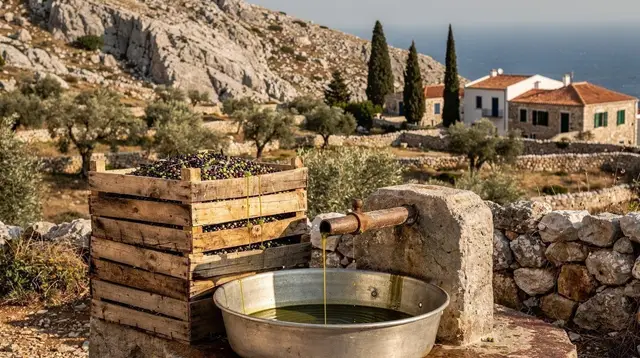
Search for “olive oil tour Crete” and the photos look interchangeable: a stone press, rows of silver-green trees, a tray of bread and oil on a wooden table. It is tempting to assume every visit is the same experience, dressed up with a different farm name. It is not, and it is worth being honest about what can and cannot be verified from outside.
This guide does not name a specific mill, does not quote a production volume, does not claim a certification, and does not state how old any particular estate is. Those details vary farm to farm, change year to year, and are exactly the kind of thing that gets exaggerated in tourist marketing. What can be said reliably is where this kind of visit sits geographically on the island, how you get there, what season affects it, and what a sensible visitor should ask before booking. That is the frame this page sticks to.
Where olive farms and mills sit across the island
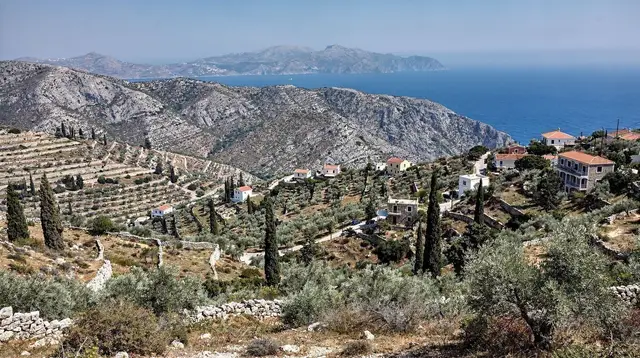
Olive cultivation runs through the rural inland areas of all four regional units, west to east: Chania, Rethymno, Heraklion and Lasithi. There is no single “olive oil region” the way there might be a single beach strip or a single old town — the groves follow the hills and valleys wherever soil and rainfall support them, which in Crete is most of the interior.
The overlap that matters most for planning is with wine country. The villages of Archanes and Dafnes, along with Peza, sit in the same inland belt southeast of Heraklion where much of Crete’s indigenous-grape wine production is based, and it is common for a single farm visit or a single day out to touch both olive oil and wine. If you are already reading about Cretan wine regions and grapes or planning a Peza and Archanes winery day, an olive oil stop can usually be folded into the same route rather than requiring a separate trip.
Further west, the hills behind Chania carry their own olive-growing tradition, and a visit there often sits alongside the wineries of western Crete. In the east, the Sitia area pairs olive oil with its own wine and food traditions, covered separately in the guide to Sitia’s wine and olive oil. None of this means every village between these points has a mill open to visitors — it means the geographic pattern is inland and spread across the island rather than concentrated in one place, so where you base yourself changes which part of that pattern is realistic to reach.
Getting there: why a car is the practical answer
Crete has no train line at all, and the KTEL coach network — while genuinely useful along the north coast corridor linking Chania, Rethymno, Heraklion and Agios Nikolaos — thins out sharply once a route leaves that main highway. Olive farms and mills, almost by definition, are not on that coastal corridor. They sit up in the hills, along village roads that a scheduled bus is unlikely to serve more than once or twice a day, if at all.
That makes renting a car in Crete the practical default for this kind of outing, the same way it is for most inland destinations on the island. If the idea of mountain and village roads is unfamiliar, the general guide to driving in Crete covers the basics, including the local habit of pulling onto the hard shoulder to let a faster car pass — a courtesy, not an invitation to overtake blind. For visitors who would rather not drive, checking KTEL buses in Crete before committing to a self-drive plan is still worth doing, since a handful of inland villages do have some service, even if it is not dense.
The alternative to self-driving is an organised tour that includes transport, which removes the routing question entirely and is often the simpler choice if a farm visit is only one stop among several you want to see in a day.
Tastings, farm visits and what actually varies
“Olive oil tasting” covers more than one kind of experience, and it is worth knowing the difference before booking anything.
A tasting can be built around comparing oils — different harvests, different styles, sometimes different varieties — with an emphasis on how to actually taste oil, which is a skill most visitors have never been shown: nosing it, the tell-tale peppery catch in the throat that indicates freshness, the difference between a mild and a robust oil. Other visits lean toward the working side of production: seeing the equipment, hearing how olives move from tree to bottle, sometimes with a harvest-season element if the timing lines up. Some stops combine the tasting with food — bread, cheese, local honey — turning it into something closer to a light meal than a technical session.
None of this guide’s factual base includes a verified account of any specific farm’s process, equipment age, or organic or protected-designation status, so none of that is stated here as fact. If a tour description makes strong claims along those lines, that claim belongs to the operator, not to this page, and it is reasonable to ask for specifics before assuming they are accurate.
A few tour formats worth knowing about, since they illustrate how varied these visits can be. Some pair a tasting with cheese and honey in one sitting — the Crete: Honey Cheese and Olive Oil Tasting Tour is built around exactly that combination, useful if you would rather sample several local products in one stop than commit a whole day to olive oil alone. Others frame the tasting with more explanation of what is actually happening in the glass — the Crete: Science Olive Oil Tasting and Farm Tour leans into that structured, explained approach rather than a purely social tasting.
There are also hands-on formats that go beyond drinking and eating — the Crete: Olive Oil Tasting and Natural Soap Workshop adds a craft element, making soap from oil alongside the tasting itself, which suits a slower, more active day than a straightforward stop-in-and-taste visit. And because the wine and olive belt overlap so often, a combined outing such as the Crete: Wine and Olive Oil Tasting covers both categories in a single booking rather than requiring two separate trips through the same inland country.
Seasonality: harvest is not year-round
Cretan olives are picked and pressed roughly from November into January, shifting somewhat with the weather each year. That window is when a mill is most likely to be actually processing fruit, and seeing that in motion is a different thing from a tasting room that operates on the same footprint year-round.
Outside the harvest months, a “mill visit” more often means a tasting, a shop, and a look at the equipment while it stands idle — still worthwhile, but worth knowing in advance so expectations match reality. If seeing an active press matters to you specifically, ask directly whether the visit falls inside that window before booking, rather than assuming a mill tour automatically means a working mill in motion.
This seasonal pattern sits alongside the island’s broader climate calendar. Summer, especially July and August, is Crete’s busiest and hottest tourist season, but it falls well outside the olive harvest — a summer olive oil “tour” is necessarily a tasting-and-shop visit, not a pressing demonstration. Anyone weighing timing more broadly can compare it against the general guide to the best time to visit Crete.
Money: what you can and cannot rely on here
One thing can be stated with confidence: prices displayed anywhere in Crete, olive oil included, are VAT-inclusive, and the applicable rate is Greece’s standard 24 percent. Crete has never received the reduced VAT rate granted to a number of Aegean islands, so there is no local discount built into the sticker price the way there might be on some other Greek islands. That 24 percent is already folded into whatever number you see on a bottle or a tasting menu — it is not added on top at the till.
What this guide cannot responsibly do is hand you a specific price for a bottle of oil, a tasting fee, or a typical spend for a farm visit. Prices vary by producer, by bottle size, by whether a tasting is bundled into a tour price or charged separately on-site, and none of that is part of the verified factual base here.
The honest guidance is to check the current price on the day, whether that is on a tour listing or at the farm itself, rather than relying on a number quoted in an article that may be a year or more out of date by the time you read it. For a broader sense of what things generally cost on the island, the guide to tipping, money and prices in Crete covers the wider pattern, including that tipping here is a modest round-up rather than a fixed percentage.
Buying oil to take home
If the point of the visit is to bring oil back with you, a farm tasting is one route, but it is not the only test worth applying. The broader question of how to identify oil that is genuinely Cretan, rather than blended or relabelled, is covered separately in buying olive oil that is actually Cretan, which is worth a read before you commit to a purchase rather than after.
Beyond the bottle itself, olive oil in Crete sits inside a wider food culture worth knowing before you travel — what dishes it actually flavours, how it is used at the table rather than just sold as a souvenir. The overview in Cretan food: what to eat is a useful companion piece, and if you would rather cook with it than just taste it, cooking classes in Crete is the natural next step.
Making it part of a longer day or trip
Because olive farms are spread inland rather than clustered at a single site, they work best as one stop in a day rather than a destination on their own. Pairing a tasting with a winery visit in the Peza-Archanes-Dafnes belt is the most common combination, and it is exactly the structure behind an outing like the Western Crete Guided Road Trip with Tastings for visitors based in or near Chania, which strings together several tasting stops across a single guided day rather than asking you to plan the routing yourself.
If you are building a longer trip around Cretan food and drink rather than a single afternoon, the Crete food and wine, four days itinerary gives a sense of how olive oil, wine, cheese and cooking experiences can be sequenced across several days without doubling back across the island. And for a category-level view of everything filed under this theme — mills, tastings, farm shops and related outings across the island — the olive oil farms listing pulls together options by location rather than requiring you to search village by village.
The honest summary
An olive oil mill visit in Crete can be a genuinely good half-day: countryside driving, a tasting that teaches you something about how to judge oil, sometimes food alongside it. What it is not, based on what can actually be verified here, is a single standardised product with a fixed price, a guaranteed working press, or an official ranking of which farm is “best.” Treat any specific claim about production method, certification or history you encounter locally as something to ask about directly, use a rental car or an included-transport tour to reach the inland villages where these visits happen, and check the harvest calendar if seeing an actual press in motion matters to your plans.
Frequently asked questions about olive oil mills and tastings in Crete
Is every olive oil visit in Crete actually a working mill?
Not necessarily. Some stops are working presses tied to a harvest season, others are tasting rooms or farm shops built for visitors year-round. Ask what you will actually see before booking, since the two experiences are quite different.
When is the olive harvest and pressing season in Crete?
Cretan olives are typically picked and pressed from around November into January, varying with the weather and the variety. Outside that window, a mill visit is a tasting and a farm walk rather than live pressing.
Do I need a rental car to visit an olive oil producer?
In most cases, yes. These farms sit in inland villages away from the coastal highway, and the KTEL coach network thins out fast once you leave the north coast route. A car, or a tour that includes transport, is the realistic way in.
Are olive oil tastings in Crete included in VAT, and are they expensive?
Displayed prices in Greece are VAT-inclusive at the standard 24 percent rate, since Crete has never had the reduced rate granted to some Aegean islands. Beyond that, this guide does not carry verified per-bottle or per-tasting pricing, so treat any figure you see locally as the one to check on the day.
Can I combine an olive oil visit with wine tasting?
Often, yes. The inland wine country around Peza, Archanes and Dafnes overlaps with olive-growing land, and several tours and farm stops pair both in a single outing.
Is Cretan olive oil different from other Greek olive oil?
Crete produces a very large share of Greek olive oil and grows several olive varieties associated with the island, but this guide does not carry verified figures on output share, certification status or specific award history, so it does not repeat unchecked claims here.
What should I check before booking an olive oil tour?
Confirm whether the stop is a working mill or a tasting-focused visit, whether it is seasonal, how you get there, and whether transport is included. Those four questions matter more than any marketing description of the farm itself.
Olive Oil Tours in Crete on GetYourGuide
Verified deep-linked GetYourGuide tours. Book through these links and we earn a small commission at no cost to you.
GetYourGuide does not provide a product photo for this activity — the image shows the meeting point, photographed by us.